
- Dandy Pradana
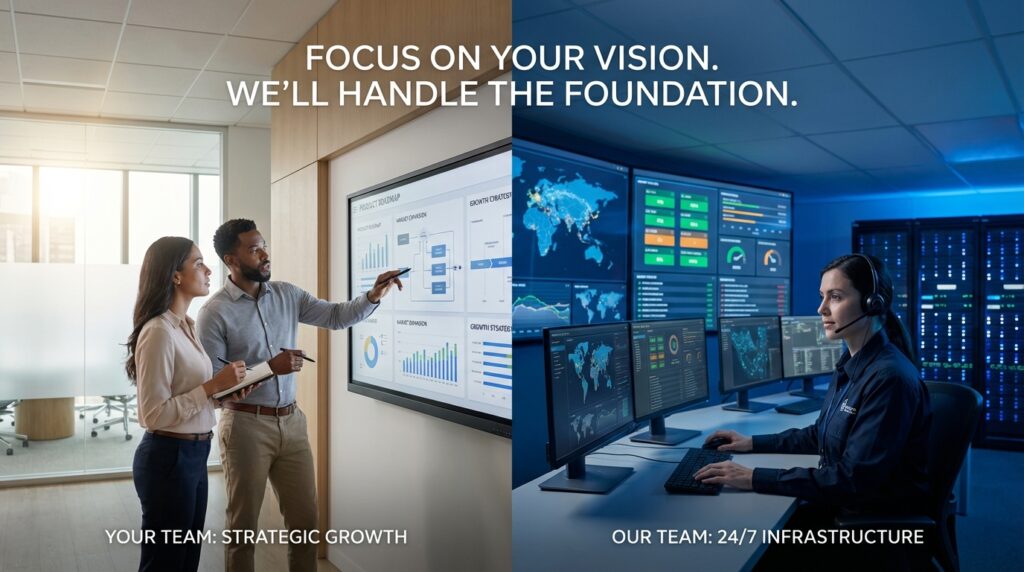
Managed cloud services let a third-party provider handle your cloud infrastructure so your internal team doesn’t have to. That covers everything from servers, storage, and networking to security, compliance, and…
- Dandy Pradana
Managed hosting and cloud hosting are the two most commonly compared infrastructure options for businesses today. Managed hosting gives you a dedicated server that your provider operates end-to-end, delivering predictable…
- Dandy Pradana
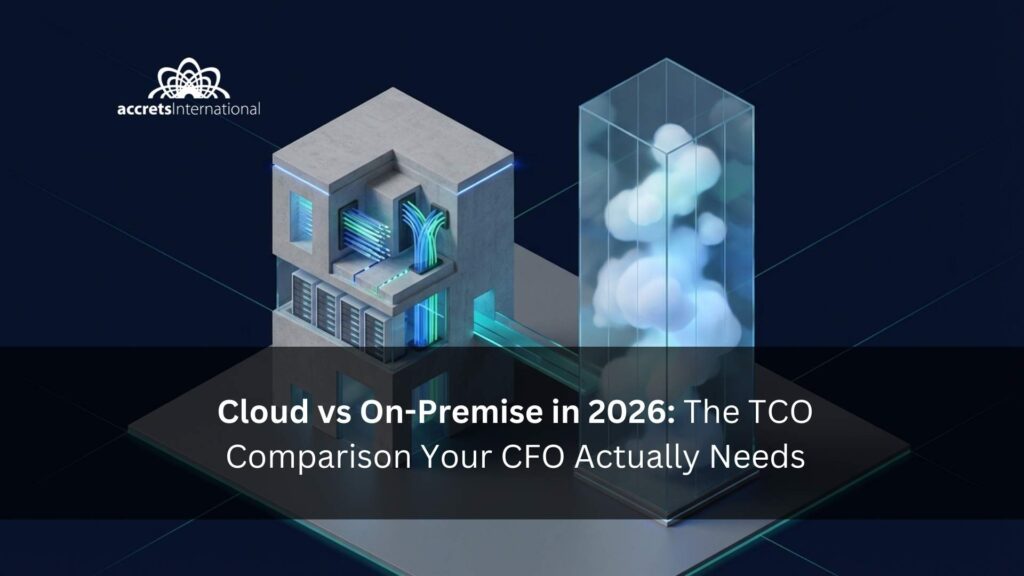
Cloud computing converts unpredictable capital expenditure into a predictable monthly operating cost, while on-premise gives your organization full control over hardware, data, and security. For most businesses in 2026, neither…
- Dandy Pradana
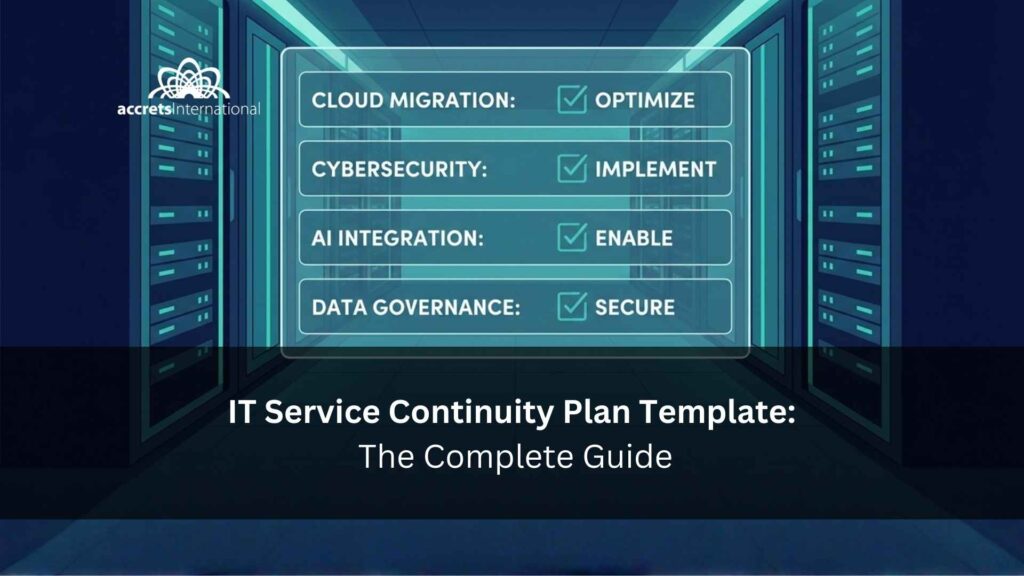
An IT Service Continuity Plan (ITSC Plan) is a documented framework that ensures your critical IT services remain operational or are rapidly restored following any disruption. A complete template covers…
- Dandy Pradana
Business process optimization (BPO) is the strategic redesign of organizational workflows to eliminate inefficiencies, reduce operational costs, and improve system reliability. In modern environments, true optimization requires upgrading your underlying…
- Dandy Pradana
If you are wondering how to build a cloud computing infrastructure that is secure, scalable and cost aware, this guide gives you the complete answer in one place. We will…
- Dandy Pradana
If you are asking “what is an OpenStack private cloud and is it right for us,” the short answer is: it is a private cloud built with open source OpenStack…
- Dandy Pradana
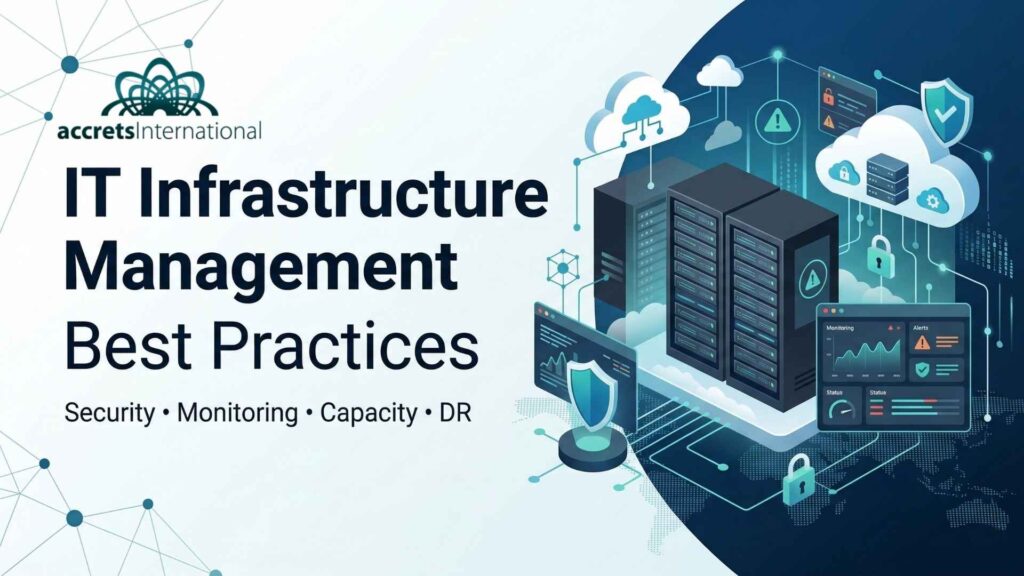
TL;DR: The best practices for IT infrastructure management are to standardize configurations, monitor proactively, plan capacity continuously, operate security daily, test backup and disaster recovery, automate change, choose the right…
- Dandy Pradana
OpenStack management tools are specialized software solutions, such as Terraform, Ansible, and Kubernetes integrations, designed to automate the deployment, configuration, and financial monitoring of private cloud environments. If you want…
